
Documentation Lifecycle Playbook
As-Built Drawings: End-to-End Delivery Playbook
A practical playbook for as-built drawings covering intake, production, QA checkpoints, and handoff routines that reduce revision cycles.
Published - Updated - 8 min read
By Cadiefy Editorial Team, Solar CAD Service Desk
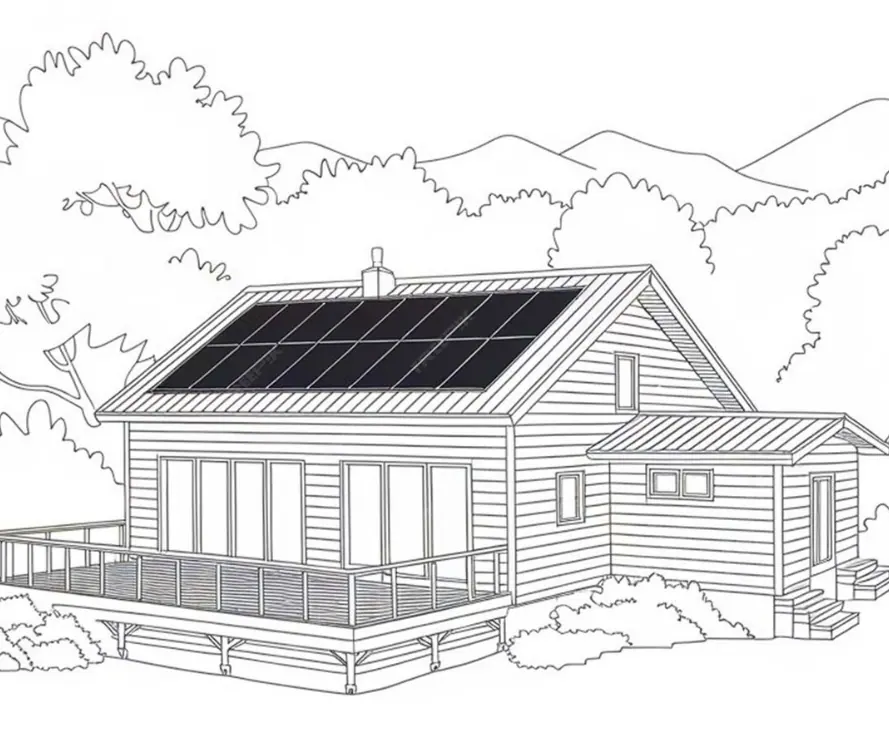
This documentation lifecycle playbook guide is written for global solar teams and focuses on project brief standards that prevent rework. Use the checklist below to reduce avoidable revisions and handoff delays.
Useful links for this topic
Project brief standards that prevent rework
- Confirm project scope, jurisdiction expectations, and submission deadlines before production starts.
- Document stakeholder responsibilities across design, QA, and site coordination for as-built drawings.
- Capture pre-conditions that affect as-built solar drawings, including utility notes, roof/site constraints, and revision history.
- Define 'done' criteria early so approval teams and field teams evaluate the same standard.
Intake package checklist your team should standardize
- Required input: Installed-condition updates.
- Required input: Final documentation formatting.
- Required input: Version closure support.
- Supporting context: Installers and project closeout teams.
- Workflow note: organize intake artifacts in one tracked folder so version updates never split across channels.
Execution sequence from kickoff to first issue
- Kickoff with a scoped task board grouped by documentation lifecycle milestones and due dates.
- Issue an internal draft for peer review before external delivery to catch naming, labeling, and layout inconsistencies.
- Track redlines by severity so urgent construction blockers are resolved first.
- Publish revision logs with each issue package so decision history remains auditable.
QA gates that protect permit and field outcomes
- QA Gate 1 - Scope validation: verify drawings match approved intake assumptions.
- QA Gate 2 - Technical consistency: confirm symbol usage, callouts, and equipment tags remain aligned across sheets.
- QA Gate 3 - Delivery readiness: ensure exported files, notes, and filenames support immediate submission or execution.
- Performance metric: measure recurring error categories weekly to reduce repeat redlines.
Final handoff package and stakeholder communication
- Handoff deliverable: As-built drawing package.
- Handoff deliverable: Final record set.
- Decision support: Accurate as-built records support project closeout, asset documentation, and future servicing.
- Share response SLAs for post-delivery clarifications so installers, PMs, and reviewers know expected turnaround windows.
How to apply this in your next project
For your next project, align this checklist with As-Built Drawings so scope, drafting, and revision handoffs stay predictable from kickoff to submission.
Quick FAQ
Who should use this documentation lifecycle playbook guide?
This guide is intended for global solar teams that want practical execution standards and fewer avoidable revision cycles.
Which Cadiefy service is most related to as-built drawings: end-to-end delivery playbook?
The closest match is As-Built Drawings.
How can teams apply these recommendations quickly?
Start with intake alignment, apply one checklist owner, and run QA checks before every issue package so rework is caught early.
On this page
Need help on this topic?
Send your project context and Cadiefy will guide your next design steps.
Continue reading
Explore more Cadiefy articles on permit readiness, workflow quality, and solar CAD delivery best practices.

India Compliance and Approvals
India Solar Net Metering Documentation Checklist for Faster DISCOM Approval
A practical checklist to organize drawings, documents, and technical details for smoother rooftop solar net metering approvals in India.
- Consumer details, sanctioned load, and site ownership documents.
- Clear single-line diagrams with inverter, meter, and protection details.
- Module and inverter datasheets aligned with submitted capacity.
- Keep equipment tags, cable routes, and earthing notes consistent across sheets.
- 8 min read

India Process and Delivery
India Rooftop Solar CAD Workflow for Residential and C&I Projects
How India-focused solar teams can structure intake, design, and revision workflows to deliver permit-ready drawings faster.
- Collect roof measurements, sanctioned load context, and target timeline in one brief.
- Define residential versus C&I deliverable expectations before drafting starts.
- Capture local utility formatting needs early to avoid redesign loops.
- Use template-based layering and legends for consistency across teams.
- 7 min read
SEO and Content Strategy
Solar Design Services USA: 25 High-Intent Keyword Map (2026)
A practical keyword map for solar CAD teams, covering permit design, PV layout, SLD, drafting, and outsourcing intent across US-focused searches.
- solar permit design services
- solar CAD design services
- outsource solar design USA
- PV layout design services
- 9 min read

Process and Delivery
Solar CAD Intake-to-Delivery Workflow Guide for Faster Turnaround
A practical workflow guide to improve intake clarity, drafting speed, QA reliability, and final handoff quality.
- Define scope, deliverables, and submission expectations before drafting starts.
- Collect reference files and markups in one structured package.
- Flag urgent requests early to prevent mid-cycle reprioritization.
- Capture local utility context (for example AHJ in the US or DISCOM review flows in India) during intake.
- 8 min read

Permit and Compliance
Solar Permit Package Checklist for Faster AHJ and DISCOM Review
A practical checklist to reduce submission issues and improve permit package readiness for US AHJ and India DISCOM-style reviews.
- Incomplete documentation creates avoidable review cycles.
- Consistent formatting improves reviewer confidence.
- Clear annotations reduce interpretation errors.
- Project identity and site context details
- 7 min read

Commercial and EPC Delivery
How EPC Teams Scale Solar CAD Capacity Without Quality Loss
A workflow-focused look at scaling drafting support across high-volume EPC programs.
- Inconsistent drawing standards across teams
- Design backlog during concurrent launches
- Revision delays during permit cycles
- Different formatting expectations across states and utility zones
- 6 min read